


Amazon, the e-commerce giant, has filed a lawsuit against Perplexity AI, a company specializing in artificial intelligence. The dispute centers on Perplexity’s new AI-powered shopping tool, part of its Comet browser. Amazon claims this tool acted like a human shopping agent but was actually automated, violating Amazon’s terms of service by accessing the site without permission.
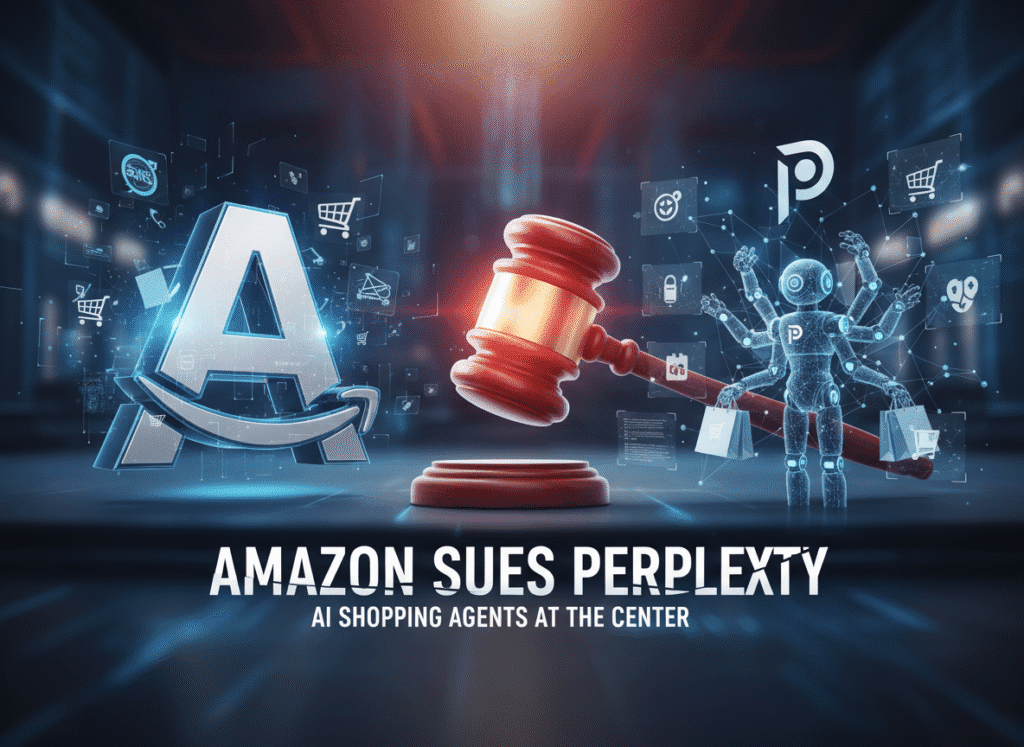
Amazon argues that automated tools like Perplexity’s shopping agent could harm the experience for regular customers, distort website analytics, and undermine the platform’s integrity. The company maintains strict rules to prevent bots and similar tools from operating on its website.
On the other hand, Perplexity defends its technology, insisting that its AI helps users shop more efficiently by gathering information and making smooth comparisons. The company accuses Amazon of trying to restrict competition and stifle innovation by controlling how people interact with its platform.
The outcome of this legal battle is likely to set an important precedent for how AI agents may access and use online public content in the future. More broadly, the case highlights growing questions about the differences between human and AI actions online—and how regulations and company policies will keep pace with rapid advances in artificial intelligence. The verdict could have a lasting impact not only on Amazon and Perplexity but on the wider landscape of e-commerce and internet policy as AI-powered tools become even more common.